A clinician-focused hub of AI prompt generators and decision-support tools

Your Support

For MedMind to remain active and relevant, it needs to be funded primarily by the readers who use it. If you feel MedMind offers something genuinely valuable and deserves to continue, please support it. A minimum contribution of €5 is recommended, as smaller amounts are largely absorbed by fees and taxes
__________________________________________________________________________________________________________________________

JAMA (Research of the Year 2025)
For this inaugural Research of the Year roundup, JAMA Medical News asked the journal’s top editors to nominate their favorite studies published in JAMA over the past year—the articles that they thought were the most impactful, the most newsworthy, and the most novel—and why they chose what they did. From these nominations, Editor in Chief Kirsten Bibbins-Domingo, PhD, MD, MAS, and Executive Editor Gregory Curfman, MD, handpicked the final selections.
Among them is a systemtic review about the "Testing and Evaluation of Health Care Applications of Large Language Models"
___________________________________________________________________________________________________________________________
A𝒾sk (Free Version)
A𝒾Sk is a prompt generator for Health Professionals. Users select a role—such as Writer, Editor, Question Writer, Mentor/Feedback partner, Brainstorming partner, or Anki Flashcards creator—and the site assembles a tailored prompt that can be copied with one click. It also shows brief, role-specific guidance (for example, a quick primer on Anki and common flashcard formats). A modal-style info panel adds definitions and helpful external links for additional context.
A𝒾BG (Free Version)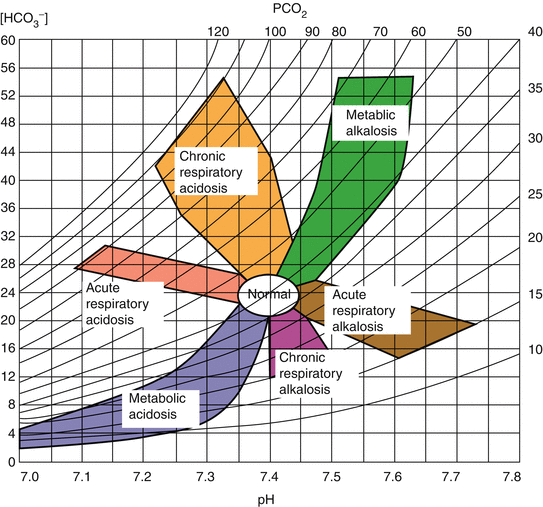
A𝒾BG is a tabbed, clinician-oriented prompt generator for ABG/VBG and acid–base analysis. You select unit system (US/SI), choose an interpretation method (physiological, base-excess/Copenhagen, or Stewart), optionally adjust reference ranges, then enter patient demographics/context, vital signs (including NEWS2), and blood-gas/chemistry results. The page shows derived metrics (anion gap variants, osmolality gaps, A–a gradient, SID/SIG) and produces a ready-to-copy prompt for an LLM, with save/reset controls and a short “moments in history” timeline. An intervention log supports structured documentation of key actions.
A𝒾BD (Free Version)
 The A𝒾BD page is a structured, clinician-facing prompt generator for the initial assessment of nontraumatic acute abdominal pain. It walks the user through a comprehensive intake: identification (DOB/age/SSN/sex), detailed pain characterization (onset site, current site, radiation, severity, duration, aggravating/relieving factors), key history items (GI/urinary symptoms, prior episodes/surgery/meds, plus LMP), and focused exam findings (peritoneal signs, Murphy’s, bowel sounds, distention, rectal/vaginal tenderness, scars). You can then choose tone, style, medical backgroud level, language, documentation (Medical note, SOAP, SBAR) and output format (plain text/PDF/Word etc.), and copy/edit/reset the prompt.
A𝒾che (Free Version)
This MedMind page is a structured, form-based Headache Questionnaire built to capture a focused headache history. It starts with Identification (name, date of birth, SSN, age, sex) and continues with a detailed Headache History section covering age at onset, recent changes, headache-free days over the last 30 days, incapacitation, number and severity of headache days, daily headaches, and typical attack duration. It also captures associated symptoms, potential triggers, relevant medical history, lifestyle factors (e.g., smoking and alcohol), and prior treatments, with Copy to Clipboard and Reset controls. The tool supports headache diary inputs, user preference settings (language, clinical level, tone, style, and output format), and a set of post-assessment options, including an assessment summary, likelihood-weighted differential diagnosis, diagnoses not to miss, a workup checklist (labs/imaging) with rationale, acute management plan, preventive strategy, medication-overuse headache mitigation, return precautions, follow-up plan, Anki flashcards, exam questions, and evidence-based references. The output is an editable, generated prompt ready to paste into the user’s preferred LLM. It also supports printing clinical documentation formats (Clinical Note, SOAP, SBAR, Referral/Reference Note, and Patient Handout), and includes Save/Open functions for data management.
Tr𝒾age (currently being revised)
 MedMind’s **Tr𝒾age** page is presented as a web tool for **prioritizing patients for Emergency Department care**. It is positioned as an **AI prompt generator**: you capture the key clinical facts for a triage scenario and then **copy a structured prompt** into an LLM (e.g., ChatGPT, Gemini, Claude) to obtain a consistent, structured triage-style output. The overall aim is faster prioritization, clearer handover language, and more standardized decision support in a high-throughput ED workflow.
Anem𝒾a (currently being revised)
This MedMind webpage is an **anemia diagnostic questionnaire** aimed at primary care physicians. It collects **identification** details (name, SSN, sex, DOB/age), lets you adjust **reference settings** (e.g., MCV bounds, hematocrit) and toggle **SI/US units**, then guides entry of **CBC and iron/B12/folate/hemolysis labs**. It auto-supports interpretation with indices such as **corrected reticulocyte/RPI, Mentzer index, transferrin saturation, sTfR-based TR-F**, and **eGFR**. It also captures **smear findings**, key **confirmatory tests** (Coombs, EMA/osmotic fragility, electrophoresis, marrow, urinalysis), and relevant history, with **copy/reset** controls.
D𝒾agnostician (currently being revised)
 This MedMind page provides a ready-to-copy prompt for evaluating the **diagnostic accuracy** of a clinical test for a specified disease. It instructs the user (or an AI) to retrieve **evidence-based** inputs—disease prevalence, test sensitivity, and test specificity—then, assuming a **population of 100,000**, calculate standard performance metrics: TP, FP, TN, FN, PPV, NPV, false-positive/false-negative rates, and overall accuracy. It also requests step-by-step formulas and percentage rounding, with a **Copy to Clipboard** control.
𝒾ECG (currently being revised)
MedMind’s **ECG** page (“AI-Assisted ECG Analysis”) is an interactive form that helps clinicians structure an ECG interpretation and then **copy a ready-made prompt** into a large language model (it also supports keyboard shortcuts like **Alt+C** to copy and **Alt+R** to reset). It includes **patient/exam metadata**, an **ECG image upload** area with zoom/pan controls, and detailed inputs for **rate/rhythm**, **P-wave/PR analysis**, **P/QRS/T axis diagrams**, **QRS features** (e.g., low voltage, delta wave), **QT/QTc with multiple correction formulae**, **infarction signs**, **hypertrophy criteria**, **ST–T/U-wave patterns**, and **conduction abnormalities**, with inline tooltips and reference images.
Scol𝒾osis (currently being revised)
MedMind’s **Pediatric Scoliosis Assessment** page is an educational, clinician-facing tool for **quantitative radiographic assessment** with AI support. It captures basic demographics, lets you **drag-and-drop spine/pelvic X-rays** (PA, lateral, pelvic AP, EOS), and runs an **AI analysis** that reports (or is designed to report) **Cobb angle**, **progression risk**, and **Risser grade**, with a severity color key. It also provides built-in **measurement guides**, severity/treatment tables, links to scoliosis organizations, and options to **download a PDF report** or reset.
DKA/HSS (currently being revised )
)
MedMind’s **DKA/HHS** page is an emergency-department decision-support and prompt generator for **diabetic ketoacidosis (DKA), euglycemic DKA (EDKA), and hyperosmolar hyperglycemic state (HHS)** in **adults and children**. It is organized into tabs (Patient Information, Vital Signs, Laboratory Results, Intervention Log) to capture demographics, comorbidities, anthropometrics/BMI, respiratory and cardiovascular parameters, and key investigations. The tool then prepares a structured, evidence-oriented prompt to paste into an LLM (e.g., ChatGPT, Gemini, Claude) for guideline-driven management steps.
Vert𝒾go (currently being revised)
MedMind’s **Vertigo** page is presented as a point-of-care assistant for evaluating dizziness/vertigo. It guides the clinician through structured inputs such as patient context, red flags, symptom timing and triggers, and a targeted bedside examination, then produces a **provisional diagnosis** with suggested actions and maneuvers. The tool also supports **audiogram upload** with on-image digitization and automated **WHO-2021 hearing interpretation**, including PTA4, asymmetry, air–bone gap/type, and speech measures (SRT/WRS).
Sp𝒾rometry (currently being revised)
MedMind’s **Spirometry** page is positioned as a polished, web-based **spirometry report viewer and interpreter**. It presents **pre- and post-bronchodilator** values alongside **flow–volume loops**, and generates an **automated interpretation** in a clinician-friendly layout. The tool highlights **obstruction severity**, calls out **data quality** considerations, and surfaces **technician notes**, with quick actions intended for practical workflow use (e.g., printing or sharing results).
For this inaugural Research of the Year roundup, JAMA Medical News asked the journal’s top editors to nominate their favorite studies published in JAMA over the past year—the articles that they thought were the most impactful, the most newsworthy, and the most novel—and why they chose what they did. From these nominations, Editor in Chief Kirsten Bibbins-Domingo, PhD, MD, MAS, and Executive Editor Gregory Curfman, MD, handpicked the final selections.
Among them is a systemtic review about the "Testing and Evaluation of Health Care Applications of Large Language Models"
___________________________________________________________________________________________________________________________
A𝒾sk (Free Version)
A𝒾Sk is a prompt generator for Health Professionals. Users select a role—such as Writer, Editor, Question Writer, Mentor/Feedback partner, Brainstorming partner, or Anki Flashcards creator—and the site assembles a tailored prompt that can be copied with one click. It also shows brief, role-specific guidance (for example, a quick primer on Anki and common flashcard formats). A modal-style info panel adds definitions and helpful external links for additional context.
A𝒾BG (Free Version)
A𝒾BG is a tabbed, clinician-oriented prompt generator for ABG/VBG and acid–base analysis. You select unit system (US/SI), choose an interpretation method (physiological, base-excess/Copenhagen, or Stewart), optionally adjust reference ranges, then enter patient demographics/context, vital signs (including NEWS2), and blood-gas/chemistry results. The page shows derived metrics (anion gap variants, osmolality gaps, A–a gradient, SID/SIG) and produces a ready-to-copy prompt for an LLM, with save/reset controls and a short “moments in history” timeline. An intervention log supports structured documentation of key actions.
A𝒾BD (Free Version)
The A𝒾BD page is a structured, clinician-facing prompt generator for the initial assessment of nontraumatic acute abdominal pain. It walks the user through a comprehensive intake: identification (DOB/age/SSN/sex), detailed pain characterization (onset site, current site, radiation, severity, duration, aggravating/relieving factors), key history items (GI/urinary symptoms, prior episodes/surgery/meds, plus LMP), and focused exam findings (peritoneal signs, Murphy’s, bowel sounds, distention, rectal/vaginal tenderness, scars). You can then choose tone, style, medical backgroud level, language, documentation (Medical note, SOAP, SBAR) and output format (plain text/PDF/Word etc.), and copy/edit/reset the prompt.A𝒾che (Free Version)
This MedMind page is a structured, form-based Headache Questionnaire built to capture a focused headache history. It starts with Identification (name, date of birth, SSN, age, sex) and continues with a detailed Headache History section covering age at onset, recent changes, headache-free days over the last 30 days, incapacitation, number and severity of headache days, daily headaches, and typical attack duration. It also captures associated symptoms, potential triggers, relevant medical history, lifestyle factors (e.g., smoking and alcohol), and prior treatments, with Copy to Clipboard and Reset controls. The tool supports headache diary inputs, user preference settings (language, clinical level, tone, style, and output format), and a set of post-assessment options, including an assessment summary, likelihood-weighted differential diagnosis, diagnoses not to miss, a workup checklist (labs/imaging) with rationale, acute management plan, preventive strategy, medication-overuse headache mitigation, return precautions, follow-up plan, Anki flashcards, exam questions, and evidence-based references. The output is an editable, generated prompt ready to paste into the user’s preferred LLM. It also supports printing clinical documentation formats (Clinical Note, SOAP, SBAR, Referral/Reference Note, and Patient Handout), and includes Save/Open functions for data management.
Tr𝒾age (currently being revised)
MedMind’s **Tr𝒾age** page is presented as a web tool for **prioritizing patients for Emergency Department care**. It is positioned as an **AI prompt generator**: you capture the key clinical facts for a triage scenario and then **copy a structured prompt** into an LLM (e.g., ChatGPT, Gemini, Claude) to obtain a consistent, structured triage-style output. The overall aim is faster prioritization, clearer handover language, and more standardized decision support in a high-throughput ED workflow. Anem𝒾a (currently being revised)
This MedMind webpage is an **anemia diagnostic questionnaire** aimed at primary care physicians. It collects **identification** details (name, SSN, sex, DOB/age), lets you adjust **reference settings** (e.g., MCV bounds, hematocrit) and toggle **SI/US units**, then guides entry of **CBC and iron/B12/folate/hemolysis labs**. It auto-supports interpretation with indices such as **corrected reticulocyte/RPI, Mentzer index, transferrin saturation, sTfR-based TR-F**, and **eGFR**. It also captures **smear findings**, key **confirmatory tests** (Coombs, EMA/osmotic fragility, electrophoresis, marrow, urinalysis), and relevant history, with **copy/reset** controls.
D𝒾agnostician (currently being revised)
This MedMind page provides a ready-to-copy prompt for evaluating the **diagnostic accuracy** of a clinical test for a specified disease. It instructs the user (or an AI) to retrieve **evidence-based** inputs—disease prevalence, test sensitivity, and test specificity—then, assuming a **population of 100,000**, calculate standard performance metrics: TP, FP, TN, FN, PPV, NPV, false-positive/false-negative rates, and overall accuracy. It also requests step-by-step formulas and percentage rounding, with a **Copy to Clipboard** control. 𝒾ECG (currently being revised)
MedMind’s **ECG** page (“AI-Assisted ECG Analysis”) is an interactive form that helps clinicians structure an ECG interpretation and then **copy a ready-made prompt** into a large language model (it also supports keyboard shortcuts like **Alt+C** to copy and **Alt+R** to reset). It includes **patient/exam metadata**, an **ECG image upload** area with zoom/pan controls, and detailed inputs for **rate/rhythm**, **P-wave/PR analysis**, **P/QRS/T axis diagrams**, **QRS features** (e.g., low voltage, delta wave), **QT/QTc with multiple correction formulae**, **infarction signs**, **hypertrophy criteria**, **ST–T/U-wave patterns**, and **conduction abnormalities**, with inline tooltips and reference images.
Scol𝒾osis (currently being revised)
MedMind’s **Pediatric Scoliosis Assessment** page is an educational, clinician-facing tool for **quantitative radiographic assessment** with AI support. It captures basic demographics, lets you **drag-and-drop spine/pelvic X-rays** (PA, lateral, pelvic AP, EOS), and runs an **AI analysis** that reports (or is designed to report) **Cobb angle**, **progression risk**, and **Risser grade**, with a severity color key. It also provides built-in **measurement guides**, severity/treatment tables, links to scoliosis organizations, and options to **download a PDF report** or reset.
DKA/HSS (currently being revised
)MedMind’s **DKA/HHS** page is an emergency-department decision-support and prompt generator for **diabetic ketoacidosis (DKA), euglycemic DKA (EDKA), and hyperosmolar hyperglycemic state (HHS)** in **adults and children**. It is organized into tabs (Patient Information, Vital Signs, Laboratory Results, Intervention Log) to capture demographics, comorbidities, anthropometrics/BMI, respiratory and cardiovascular parameters, and key investigations. The tool then prepares a structured, evidence-oriented prompt to paste into an LLM (e.g., ChatGPT, Gemini, Claude) for guideline-driven management steps.
Vert𝒾go (currently being revised)
MedMind’s **Vertigo** page is presented as a point-of-care assistant for evaluating dizziness/vertigo. It guides the clinician through structured inputs such as patient context, red flags, symptom timing and triggers, and a targeted bedside examination, then produces a **provisional diagnosis** with suggested actions and maneuvers. The tool also supports **audiogram upload** with on-image digitization and automated **WHO-2021 hearing interpretation**, including PTA4, asymmetry, air–bone gap/type, and speech measures (SRT/WRS).
Sp𝒾rometry (currently being revised)
MedMind’s **Spirometry** page is positioned as a polished, web-based **spirometry report viewer and interpreter**. It presents **pre- and post-bronchodilator** values alongside **flow–volume loops**, and generates an **automated interpretation** in a clinician-friendly layout. The tool highlights **obstruction severity**, calls out **data quality** considerations, and surfaces **technician notes**, with quick actions intended for practical workflow use (e.g., printing or sharing results).
Πάντων νους κρατεί
Πάντων νους κρατεί